The Secret to Success: How Commercial Fishermen are Driving Derelict Trap Removal and Cleaning our Coastlines
Commercial fishermen bring the local knowledge, gear, and strength required to locate and retrieve lost and abandoned fishing traps.
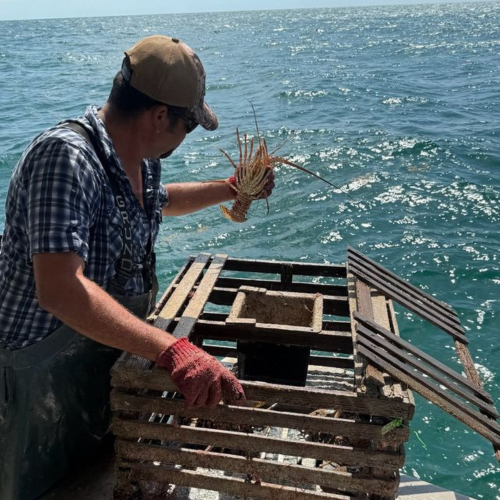
This spiny lobster trap is just one of thousands removed by Ocean Aid 360 and their industry partners in the Florida Keys for the Nationwide TRAP Program. Together, they locate and retrieve derelict traps, release bycatch, and collect data on each trap.
The National TRAP Program funds organizations to remove lost and abandoned crab and lobster traps and collect standardized data on what they find. These partners assemble teams of experts ready to tackle the job in diverse fisheries and communities across the country. For some of them, the impact they’re creating wouldn’t be possible without their collaborations with local communities and industries, particularly commercial fishermen.
One TRAP Program partner, Ocean Aid 360, was able to remove a whopping 3,478 traps in 2025 and 1,404 traps in 2026 from the waters around the Florida Keys. This success wouldn’t have been possible without the 15-18 commercial crabbers who they work with each year. We spoke with two of them to hear their perspectives, and the conversations illuminated the valuable role local industry partners play in removal efforts.
Meet the Fishermen – Mimi Stafford
Captain Mimi Stafford has been a commercial fisher and marine advocate in the Florida Keys for over 50 years, working with her husband and now with her son. She studied marine science in college, so she brings both practical local knowledge and scientific understanding to her work. For their first round in 2025, she was out on the water with Ocean Aid 360, and for the second year of removals she contributed by informing the search for gear hotspots.
Mimi knows from both her fishing and science experience that clear waters are the best waters. “I like to fish, but I also like to look out and see no buoys in the summer. It’s nice to know it’s clean and clear. If you have traps that are left out and fishing all year long, then it’s pretty hard to compete,” she said. As she and other fishermen depend on the health of the ocean for their livelihoods, they have a strong stake in keeping it clean.
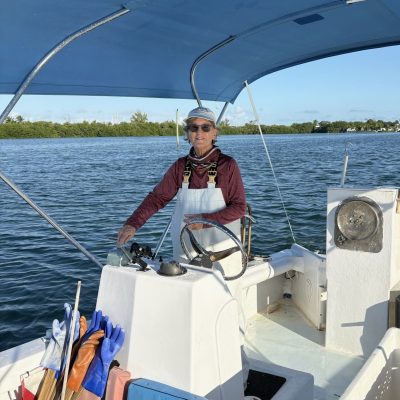
Captain Mimi Stafford drives her boat for derelict trap removal trips, while other volunteers handle the traps and collect data.
Meet the Fishermen – John “JJ” Jackson
Captain John “JJ” Jackson is a third-generation Florida Keys crabber, fisherman, and charter captain. JJ’s always been one to clean up the marine environment, and has a long-standing weekend tradition of getting outside and picking up trash with his family. When he started working with Ocean Aid 360, removing derelict traps was new to him, but as a returning member of their industry team for year two, he is a seasoned pro.
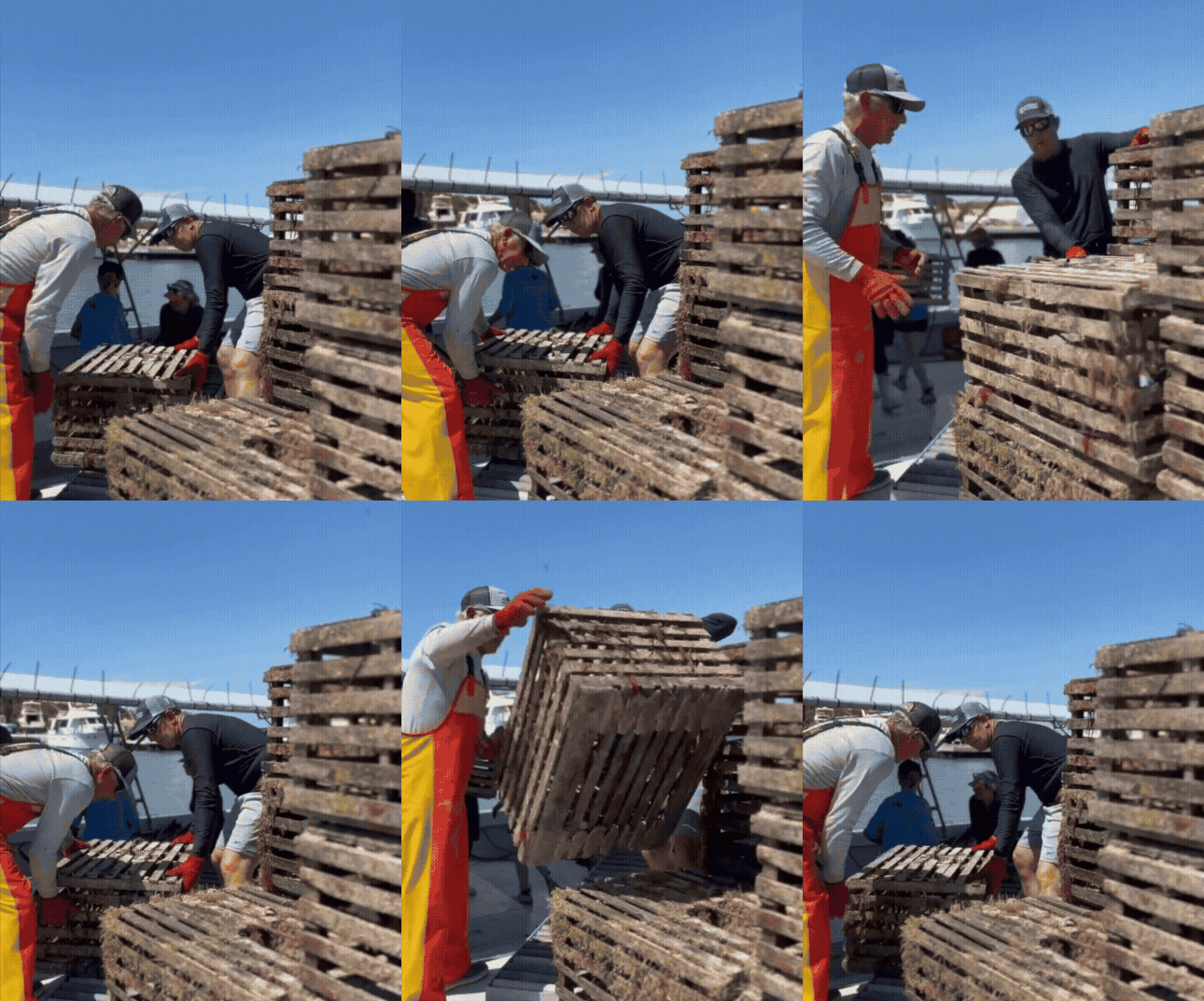
On the removal team, JJ brings the technical experience of dealing with the gear and the knowledge of trap hotspots. Partnering with Ocean Aid 360, Captain JJ said the removals ran just like a commercial fishing operation—someone drove the boat and pulled up the trap with a winch while JJ released any critters and then stacked the traps up on the boat.
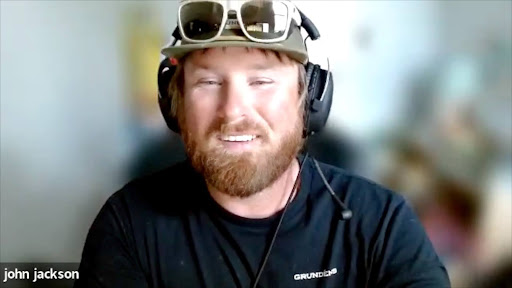
Captain JJ is out on the water most days of the year across multiple commercial industries and for fun with his family.
Industry Benefits
When traps are lost or abandoned, they can continue capturing and killing the target species and non-target species, or bycatch, for years afterward–a phenomenon known as ghost fishing. In the Florida Keys, derelict traps can cause damage to nearby seagrass beds and coral reefs as underwater currents and storms move the traps around on the seafloor. Cleaning up these derelict traps means less damage to ecosystems and fewer bycatch deaths, which, in turn, mean more productive fisheries in the future, an impact commercial fishermen see first-hand.
Other commercial crabbers quickly took note of the cleaned up areas. JJ recounted, “Everybody I talked to that crabbed in The Lakes, which was an area we hit pretty hard—they all really did good this season.” Clean waters. Better catch.
Participating in derelict gear removal also gives commercial fishermen paid work during the closed season. Both Mimi and JJ emphasized that many watermen appreciate the option to be active in the off-season and earn some extra income.
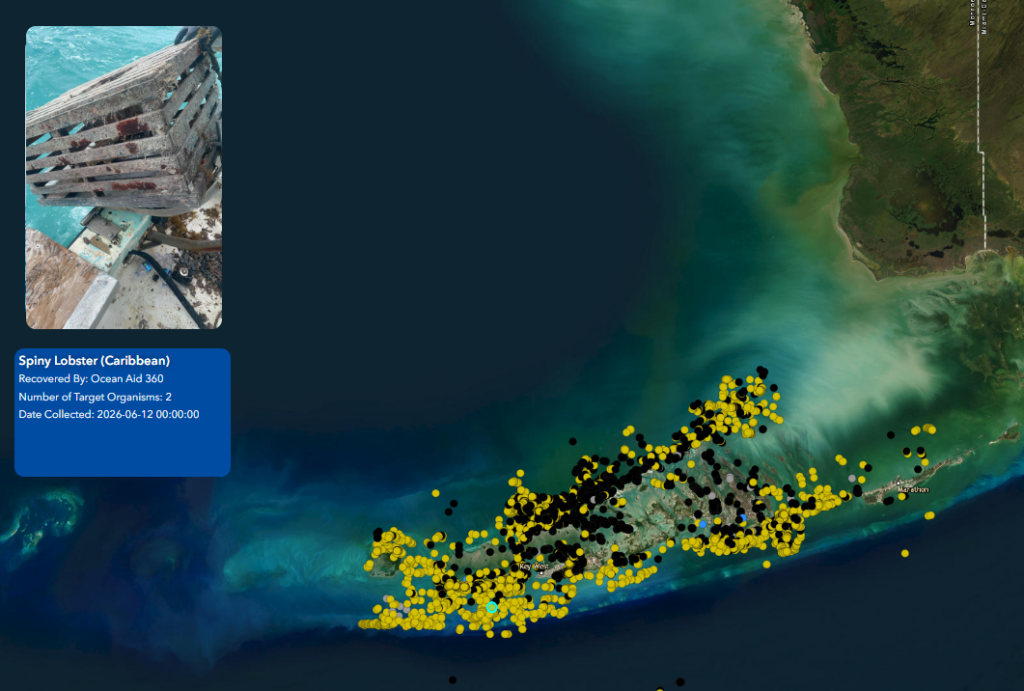
Ocean Aid 360 and industry partners removed around 2,000 traps from a region they call “The Lakes” in the Lower Florida Keys. Yellow dots are recovered spiny lobster traps and black dots are recovered stone crab traps. Explore the retrieval map on the TRAP Program dashboard.
Creating Community
The involvement of industry partners in the removal process also can lead to more unified efforts and stronger industry relationships moving forward. Among commercial fishermen, trap removal efforts create an environment of collaboration where there is usually competition. “Everything I do as far as commercial and charter [fishing] is very competitive, so there’s not as much teamwork as there should be. The teamwork was definitely something that I truly enjoyed,” JJ shared.
The industry partners of organizations like Ocean Aid 360 are an invaluable part of the TRAP Program’s success, moving towards cleaner waters and more sustainable fisheries. They provide valuable experiential and local knowledge, as well as a passion for the marine environment. Their lives and livelihoods are inextricably linked to their local waters and the problem of derelict traps, so they are in the perfect position to help resolve the problem and benefit from the effort.
The perspectives of Mimi and JJ, as well as other industry collaborators of our National TRAP Program partners, are compiled and highlighted in our recent Industry Perspectives video. Check it out!
Ocean Aid 360 industry partners often work together with scientists, volunteers, and other fishermen on removal trips.