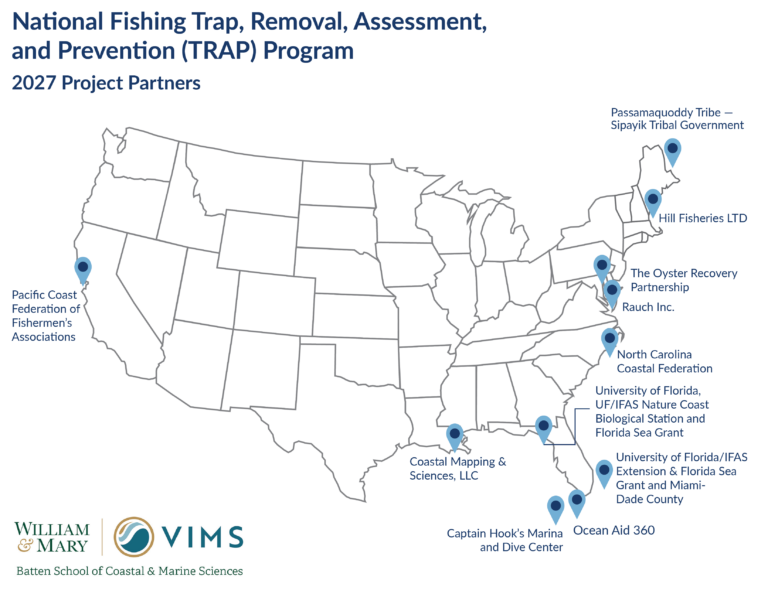
Captain Hook’s Marina and Dive Center (Florida, $52,738) will implement a project to locate and remove derelict spiny lobster and stone crab traps in the Florida Keys National Marine Sanctuary. The Dive Center will survey and map derelict traps in Sanctuary waters, train a team of local divers in safe marine debris removal, and organize monthly cleanup dives. Through removing derelict traps, building local capacity to tackle challenging debris removal, and fostering awareness of the impact of marine debris, the project will contribute to the protection of a fragile ecosystem, buoy target populations of stone crab and spiny lobster (Florida’s top commercial seafood products with a multi-million annual dockside value), and bring together local stakeholders with a common cause.
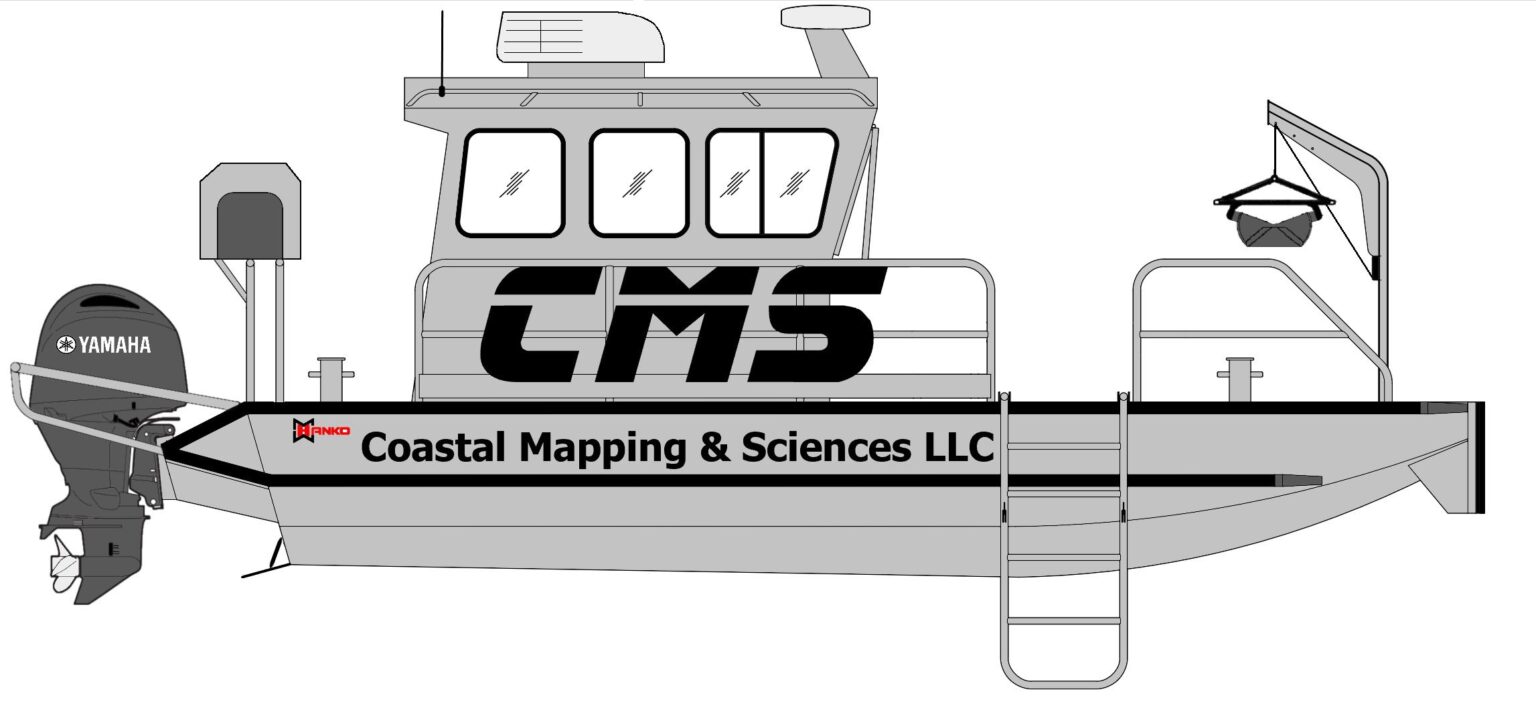
Coastal Mapping & Sciences, LLC (Louisiana, $125,875) will conduct integrated removal of buoyed (visible) and non-visible derelict blue crab traps across coastal Louisiana by scaling innovative sonar-guided removal techniques, including side-scan sonar and forward-facing live imaging sonar, alongside traditional commercial vessel operations. By addressing both visible and non-visible derelict traps, this project will increase removal efficiency, expand removal coverage in heavily fished estuarine waters, reduce ghost fishing impacts, support blue crab fishery sustainability, and target one of the most persistent and under-addressed sources of marine debris in the Gulf region, benefiting Louisiana’s commercial fishing communities and coastal ecosystems.
Hill Fisheries (Massachusetts, $125,960) will remove derelict American lobster traps in the Cape Ann area and its surrounding islands in Massachusetts. Traps will be removed via visible survey using the buoy of the abandoned pot, towing a grapple along sandy or muddy seafloor, and retrieval by certified divers. This project supports a small, independently-owned commercial fishing business through direct employment. In addition to reducing bycatch mortality, removals are expected to result in the recovery of many usable American lobster traps, which are returned to their owners if identifiable, a notable benefit for the local fishing community due to the cost of replacing fishing gear.
North Carolina Coastal Federation (North Carolina, $125,970), working alongside valued partners, will hire commercial fishermen to recover derelict blue crab traps during the project area’s annual blue crab fishery closure. The project not only improves the health of coastal ecosystems but also provides valuable employment opportunities for commercial fishermen during a traditionally slower working season. By investing in both the environment and North Carolina’s fishing communities, this project delivers lasting benefits for the coast and the people who depend on it.
Ocean Aid 360 (Florida, $126,000) will undertake high-volume removals of derelict stone crab and spiny lobster traps in the Florida Keys and Florida Bay. The goal of the proposed work is to utilize TRAP Program support to scale up Ocean Aid 360’s efforts – which removed nearly 3,500 derelict crab and lobster traps in the lower Florida Keys with TRAP support in May 2025 – and enable OA360 to serve new areas in the upper Florida Keys and Bay to remove no less than 3,000 more derelict traps while continuing to collect and report robust, standardized data from all removed traps to inform project stakeholders. Since 2019, Ocean Aid 360 has recovered 10,000 derelict traps.
Oyster Recovery Partnership (Maryland, $99,056) will conduct derelict blue crab trap removals in the Herring Bay area of the Chesapeake Bay, Maryland. In addition to improving waterway health, this project will provide economic support for local commercial fishers who participate in retrieval operations and will provide information to help evaluate and mitigate the economic impacts of derelict crab traps in Maryland. For more than two decades, the Oyster Recovery Partnership has designed and implemented programs that work directly with the seafood industry to support sustainable fisheries management, including collaboration with local watermen to locate, remove, and recycle derelict crab traps from Chesapeake Bay waterways.

Pacific Coast Federation of Fishermen’s Associations (California, $126,000) is expanding its Commercial Fishermen’s Gear Recovery Network to fund on-the-water retrieval of lost Dungeness crab and spiny lobster gear across California’s coast, reducing marine mammal entanglement risk and building on fishermen’s long tradition of stewardship of the waters they depend on. Lost gear represents a direct economic loss to the commercial fishing fleet, and this funding allows fishermen themselves to recover and return that gear, easing replacement costs while sustaining their ability to keep working the water. The project builds on an already operational, fleet-led network, pairing environmental benefits with tangible support for the commercial fishing communities that depend on these fisheries.
Passamaquoddy Tribe at Pleasant Point Reservation — Sipayik Tribal Government (Maine, $125,822) will conduct systematic, Tribally-led derelict American lobster trap removal from its ancestral fishing waters in Passamaquoddy Bay. Every element of this project — from target identification to removal to data collection to gear disposal — is designed, led, and executed by Passamaquoddy Tribal citizens. The project is anchored in Traditional Ecological Knowledge (TEK): Passamaquoddy Elders, knowledge holders, and active fishers identify trap accumulation zones from generations of direct experience in these waters. One hundred percent of project employment and contracted services flows to Passamaquoddy community members.
Rauch Inc. (Maryland, $126,000) will remove derelict blue crab traps from the Eastern Bay/Tilghman Island area of the Chesapeake Bay in Talbot County, Maryland. Commercial watermen recruited through the Talbot Watermen’s Association will conduct a paid removal derby, navigating to pre-mapped GPS targets and using onboard Live Imaging sonar to visually confirm each derelict trap’s exact position in real time before retrieval. Recovered traps are processed through a three-tier disposal protocol (reuse, scrap metal recycling, and non-metallic debris disposal).
University of Florida, UF/IFAS Extension, Florida Sea Grant and Miami-Dade County (Florida, $125,555) will remove derelict blue crab, stone crab, and spiny lobster traps from Biscayne National Park and the Florida Keys National Marine Sanctuary. This effort will improve communication between resource managers, fisheries managers, and commercial fishers, resulting in increased trap retrieval rates. The project is expected to lead to more efficient derelict trap location and removal, cost savings to commercial fishers, less bycatch lost in traps, and improvements to sensitive marine habitats, including coral reefs and seagrass meadows.
University of Florida, UF/IFAS Nature Coast Biological Station and Florida Sea Grant (Florida, $82,507), in partnership with the Florida Department of Environmental Protection’s Aquatic Preserve Program, commercial crab fishers, and local communities, will lead an effort to remove derelict blue crab and stone crab traps from Florida’s Big Bend region following widespread gear loss caused by recent hurricanes. The project builds on past successful collaborations and is expected to recover up to 900 derelict traps, helping protect seagrass habitats, reduce ghost fishing, improve navigational safety, and support long-term fisheries management through data collection and collaboration with the fishing industry.